How Much Electricity Can an R32 Inverter Swimming Pool Heat Pump Save?
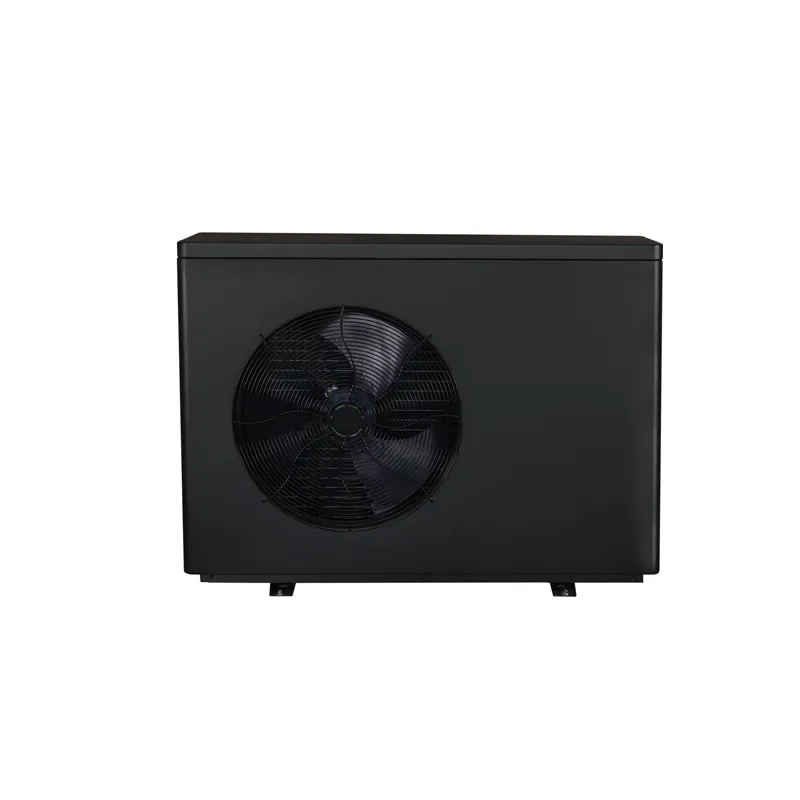
The need for energy-efficient heating solutions in swimming pools is becoming increasingly crucial for pool owners aiming to reduce their utility bills and environmental impact. One common pain point is the high electricity costs associated with traditional heat pumps. This is where the R32 DC Inverter Heat Pump step in, creating a perfect blend of cost-effectiveness and eco-friendliness. An R32 inverter swimming pool heat pump can save up to 60% compared to traditional pool heaters. By utilizing advanced inverter technology, it optimally adjusts its power and temperature settings according to pool usage, which means significant savings on energy bills.
Understanding R32 Inverter Swimming Pool Heat Pumps
The R32 inverter swimming pool heat pump stands out for its efficient refrigerant and advanced engineering. Users have reported remarkable energy savings—some up to 75%—when switching from their older models. The heat pump's inverter technology allows it to operate at variable speeds, maintaining the desired temperature while using less electricity. One user, Sarah, a 38-year-old mother of two, shared her experience: "After switching to a guangteng R32 heat pump, my electricity bill dropped from $300 to $120 in just three months." This illustrates the transformative impact of adopting energy-efficient technologies in household settings.
Required Preparation for Installation
Materials and Tools: You will need the R32 inverter swimming pool heat pump, piping, clamps, insulation tape, and a multimeter for the electrical connections.
Prerequisites: Familiarity with plumbing and electrical systems is vital for safe installation. Additionally, ensure that your pool area has adequate drainage and space for the heat pump.
Professional Assistance: If you are not comfortable with DIY installations, consider hiring a certified technician for a seamless setup.
Step-by-Step Guidance for Installing an R32 Inverter Swimming Pool Heat Pump
Select the Location: Choose a well-ventilated area close to your swimming pool for optimal efficiency.
Install the Base: Level the ground and place a concrete slab to reduce vibrations and ensure stability.
Connect Piping: Use insulated pipes to connect the heat pump to your swimming pool's filtration system. Ensure tight fittings to prevent leaks.
Set Up Electrical Connections: Follow the manufacturer’s instructions to connect the heat pump to your power supply safely.
Check Settings: Use the multimeter to ensure that the electrical connections are secure and the system is functioning correctly.
Test the Unit: Fill the pool and turn on the heat pump. Monitor the water temperature and verify energy savings on your next electricity bill.
Common Errors and Solutions
Error 1: Insufficient Water Flow: Ensure your pump has a high enough flow rate to maintain optimal performance.
Error 2: Improper Insulation: Check that all pipe connections are well insulated to prevent energy loss.
Error 3: Electrical Issues: If the heat pump does not turn on, verify that the power supply is connected correctly and has power.
Summary and Suggestions
The R32 inverter swimming pool heat pump can dramatically reduce energy consumption, offering savings of up to 75% compared to traditional systems. By following the installation guide meticulously and avoiding common errors, you can experience prolonged pool usage without skyrocketing utility bills. Consider investing in a reliable brand like guangteng for maximum efficiency and savings.


评论
发表评论