What Size R32 Inverter Swimming Pool Heat Pump Do You Need for Your Pool?
The emergence of the R34 DC Inverter Heat Pump has revolutionized the swimming pool heating industry by offering energy-efficient and cost-effective solutions. With traditional pool heaters often leading to soaring energy costs and inefficient heating, the R32 Inverter Swimming Pool Heat Pump presents a timely alternative. This advanced technology operates on the principle of heat transfer, utilizing refrigerants that provide environmentally friendly heating solutions. Recent research indicates that adopting a heat pump can reduce energy consumption by as much as 60%, offering users significant financial savings while enhancing comfort when swimming. As such, understanding what size R32 inverter swimming pool heat pump you need is crucial for achieving optimal heating performance without overspending.
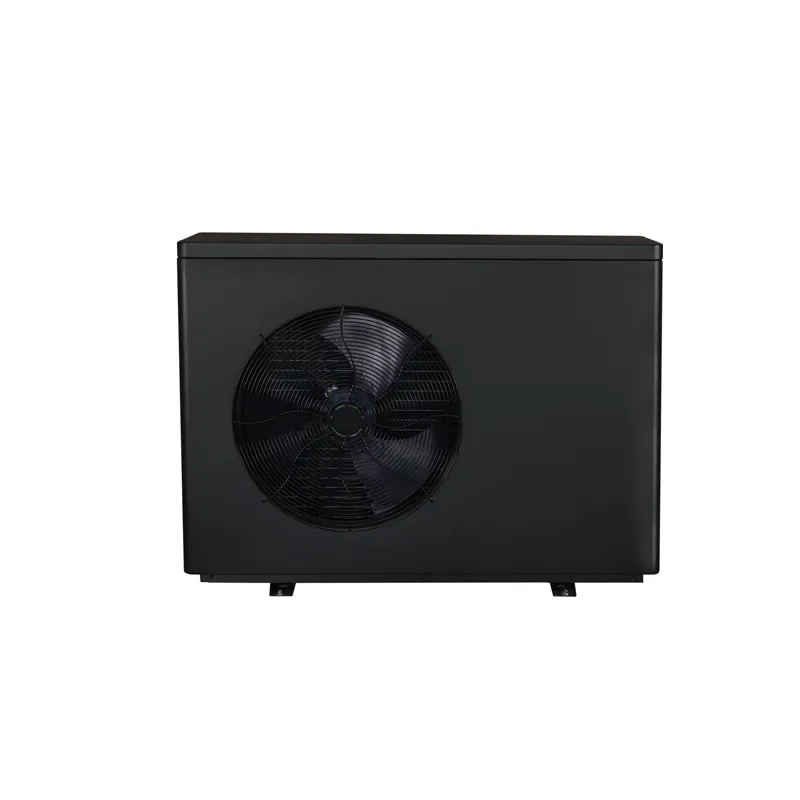
Definition of R32 Inverter Swimming Pool Heat Pump
An R32 inverter swimming pool heat pump is a device that captures heat from the air and transfers it to the pool water. "R32" refers to the type of refrigerant used, known for its lower global warming potential compared to its predecessors. The "inverter" technology allows the heat pump to adjust its output based on the pool's temperature needs. According to the U.S. Department of Energy, this inverter technology can enhance energy efficiency by approximately 30% compared to traditional fixed-speed heat pumps by maintaining a constant temperature rather than cycling on and off.
Industry Term Analysis
Seer (Seasonal Energy Efficiency Ratio): A measure of the heat pump's cooling efficiency. For heating, you’ll be looking for a HSPF (Heating Seasonal Performance Factor) rating, which shows how efficient the heater operates over an entire heating season.
BTU (British Thermal Unit): This unit measures heat output. For swimming pools, the correct BTU rating ensures that the pool will heat to your desired temperature efficiently.
Application Scenarios for R32 Inverter Swimming Pool Heat Pumps
R32 inverter swimming pool heat pumps are widely applicable in various scenarios:
Residential Pools: Homeowners looking for year-round swimming comfort without incurring high energy costs.
Commercial Pools: Hotels and health clubs can benefit from efficient heating to keep their guests satisfied while managing operational costs.
Aquatic Facilities: Public swimming facilities can utilize heat pumps to maintain comfortable water temperatures while adhering to budget constraints.
Recent industry reports indicate that nearly 47% of pool owners are shifting to heat pumps as the primary heating source due to these efficiencies (Pool & Spa Association).
Brief Description of Advantages
Energy Efficiency: The R32 inverter heat pump can reduce energy costs by up to 60%, making it a top choice for budget-conscious pool owners.
Environmentally Friendly: The use of R32 refrigerant has a global warming potential that is one-third less than R410A, making it a sustainable heating option.
Consistent Heating: The inverter technology provides a steady output, preventing temperature fluctuations and enhancing user comfort.
Quieter Operation: These heat pumps generally operate at lower sound levels compared to traditional units, resulting in a more pleasant swimming experience.
Next Steps: User Guidance
To ensure you select the appropriate size for your R32 inverter swimming pool heat pump, consult the user guide specific to your model. It is vital to consider pool size, regional climate conditions, and desired temperature settings. A general rule is to look for 50 BTUs per gallon of water in the pool. Once you determine your specifications, you can find an ideal size that meets your heating needs without excess energy consumption.


评论
发表评论