Common Installation Mistakes for DC Inverter Heat Pumps
The heating and cooling industry has undergone significant evolution over the past few decades, leading to the emergence of energy-efficient solutions such as the DC Inverter Heat Pump. These innovative devices play a crucial role in regulating indoor temperatures while contributing to notable energy savings. For homeowners and businesses alike, understanding the installation and benefits of a DC Inverter Heat Pump is essential. This article will explore common installation mistakes, the significance of inverter technology, and practical applications while addressing user pain points. Whether you're considering upgrading your heating system or looking for efficient climate control solutions, this guide will provide the insights you need.
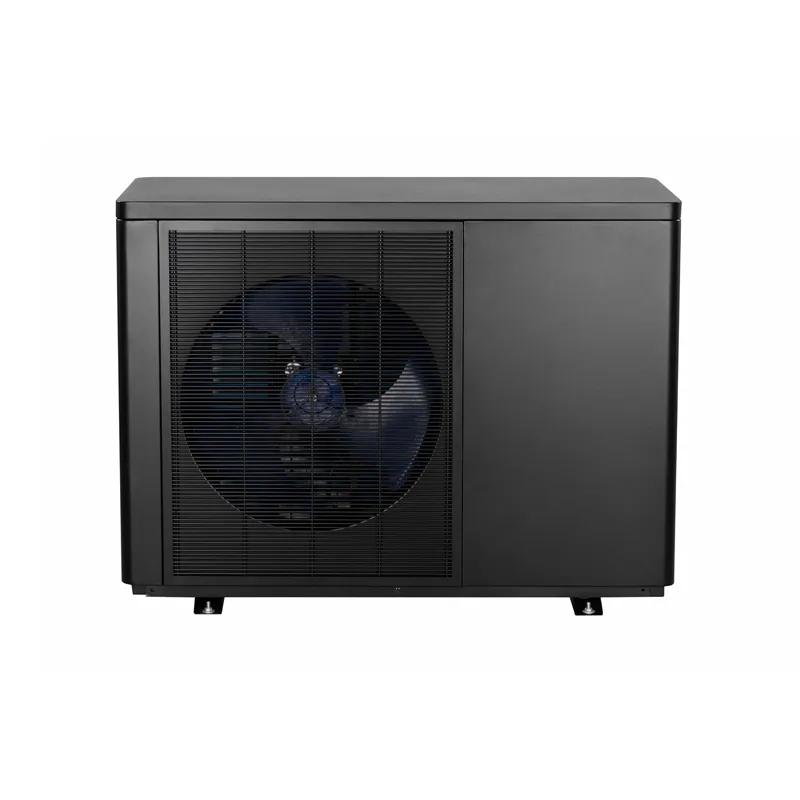
What is a DC Inverter Heat Pump?
A DC Inverter Heat Pump is a versatile heating and cooling device that utilizes inverter technology to efficiently control temperature levels. Unlike traditional systems that operate on a constant speed, inverter heat pumps can adjust their output based on the heating or cooling demand. This means they use less energy, leading to lower utility bills — studies reveal that implementing inverter technology can reduce energy consumption by up to 30% compared to conventional models. This efficiency is achieved through variable-speed compressors that modulate output, minimizing energy waste.
Industry Terms Explained
- Inverter Technology: A system using adjustable speed motors to increase efficiency and maintain comfortable indoor conditions.
- Compressor: The component that circulates refrigerant throughout the system.
- Heat Exchange: The process of transferring heat from one medium to another, crucial for both heating and cooling processes in heat pumps.
Application Scenarios for DC Inverter Heat Pumps
DC Inverter Heat Pumps find applications across various sectors, including:
Residential Homes: Efficiently heating and cooling spaces, reducing energy costs significantly. Homeowners can experience energy savings of up to 37% annually compared to standard systems.
Commercial Buildings: In office environments, maintaining comfort for employees while maximizing energy efficiency is vital. Reports indicate that well-implemented heat pumps can decrease energy consumption by over 40% in commercial settings.
Industrial Facilities: These systems can provide heating for manufacturing processes while also serving general climate control requirements.
Greenhouses and Agricultural Applications: Inverter heat pumps are increasingly used to maintain optimal growing conditions for plants, which can lead to enhanced yields.
Advantages of DC Inverter Heat Pumps
Understanding the advantages of DC Inverter Heat Pumps is crucial for anyone considering installing one. Here are significant benefits:
Energy Efficiency: With a reduction in energy consumption by up to 30% as mentioned earlier, inverter heat pumps lead to lower monthly utility bills, improving return on investment.
Consistent Comfort: Unlike traditional heating systems that can lead to temperature fluctuations, DC Inverter Heat Pumps maintain a consistent indoor environment, demonstrating up to 50% better temperature stability.
Reduced Carbon Footprint: By using less energy, these systems contribute to lower greenhouse gas emissions, making them an environmentally friendly choice.
Quiet Operation: Many models operate at noise levels as low as 32 decibels, ensuring comfort not just in temperature but also in sound.
Next Steps: Installation Guidance and User Considerations
For those looking to install a DC Inverter Heat Pump, it's vital to follow a comprehensive user guide. Ensure the installation is handled by certified professionals to avoid common mistakes that can affect efficiency. It's also essential to consider routine maintenance as part of your overall energy strategy.


评论
发表评论