What Is a DC Inverter Heat Pump and How Does It Work?
In the world of modern HVAC systems, the DC Inverter Heat Pump has emerged as a revolutionary solution for heating and cooling efficiency. Unlike traditional heat pumps, which often operate at a fixed speed and waste energy, the DC inverter technology allows for a variable speed operation. This innovation not only enhances efficiency but also addresses common pain points in energy consumption, providing homeowners and businesses with significant cost savings. The ability to modulate power usage in response to environmental conditions means that users can experience consistent comfort without the steep electricity bills usually associated with traditional systems. As climate change continues to push for sustainable solutions, understanding the mechanics of What Is a DC Inverter Heat Pump and How Does It Work? is more crucial than ever.
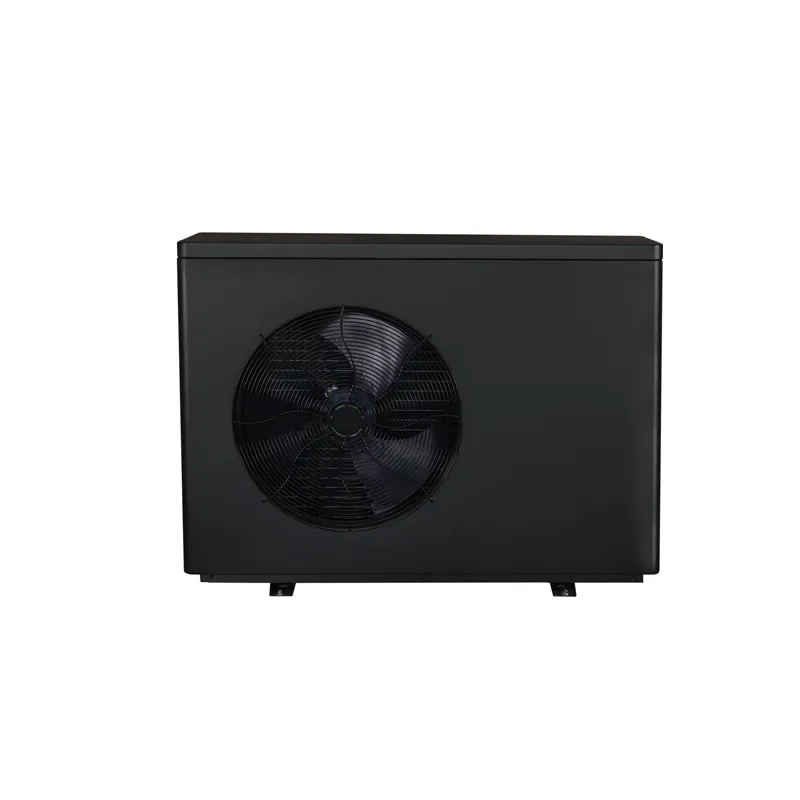
Definition of DC Inverter Heat Pump
A DC Inverter Heat Pump refers to a type of heat pump that utilizes direct current (DC) inverter technology to control the compressor's speed, thereby providing more precise temperature regulation and greater energy savings. Traditional heat pumps operate on a binary system: either running at full capacity or completely off. In contrast, DC inverter systems can adjust the compressor’s speed, allowing for incremental temperature adjustments. According to the U.S. Department of Energy, this can reduce overall energy consumption by up to 30-50% compared to conventional systems, making them a smart choice for eco-conscious consumers.
Key Industry Terms:
Coefficient of Performance (COP): A measure of efficiency for heat pumps. A COP greater than 4 indicates that for every unit of energy consumed, four units of heating or cooling are delivered.
Variable Speed Compressor: This component allows for modulation in operation, leading to energy savings and prolonged unit lifespan.
Heat Exchange Efficiency: Refers to the ability of the heat pump to transfer heat effectively, a critical factor affecting overall performance.
Application Scenarios
DC Inverter Heat Pumps are versatile and can be employed in various settings, including:
Residential Heating and Cooling: Homeowners can utilize these systems for year-round climate comfort without exorbitant energy costs.
Commercial Buildings: Businesses often seek out energy-efficient solutions to reduce overhead expenses, and DC inverter heat pumps fit this need perfectly.
Industrial Applications: These pumps can be utilized for heating processes in manufacturing, contributing to operational efficiency.
Schools and Hospitals: Places with high occupancy levels benefit from the consistent climate control that DC inverter heat pumps provide, ensuring comfort and health.
Brief Description of Advantages
The advantages of utilizing a DC Inverter Heat Pump are compelling:
Energy Efficiency: As highlighted, these systems can lower energy consumption by up to 50% (U.S. Department of Energy).
Consistent Comfort: The ability to maintain stable temperatures minimizes fluctuations, which can enhance comfort and reduce wear-and-tear on the system.
Lower Operating Costs: Reduced energy usage translates to lower utility bills, with homeowners typically saving around $300 annually.
Environmentally Friendly: Since these systems consume less energy, they contribute to a decrease in carbon emissions, supporting global sustainability efforts.
Next Steps: Guidance for Users
To maximize the benefits of your newly installed DC Inverter Heat Pump, refer to the user guide that comes with the system. This guide will provide insights into optimal settings, scheduled maintenance, and troubleshooting tips. If you're considering a trial or looking for reliable brand options, guangteng is a respected name in the industry, known for innovative and efficient heat pump technologies.


评论
发表评论