Benefits of Installing a Mini Pool Heat Pump
As the popularity of home pools rises, so does the necessity for efficient heating solutions. Among the options available, the Mini Pool Heat Pump stands out for its ability to deliver consistent and economical heating for small to medium-sized pools. This innovation not only enhances user experience by providing a comfortable swimming environment but also addresses common pain points associated with pool heating, such as high energy costs and inefficient energy use. In fact, installing a Mini Pool Heat Pump can lead to energy savings of up to 50% compared to traditional electric or gas heaters.
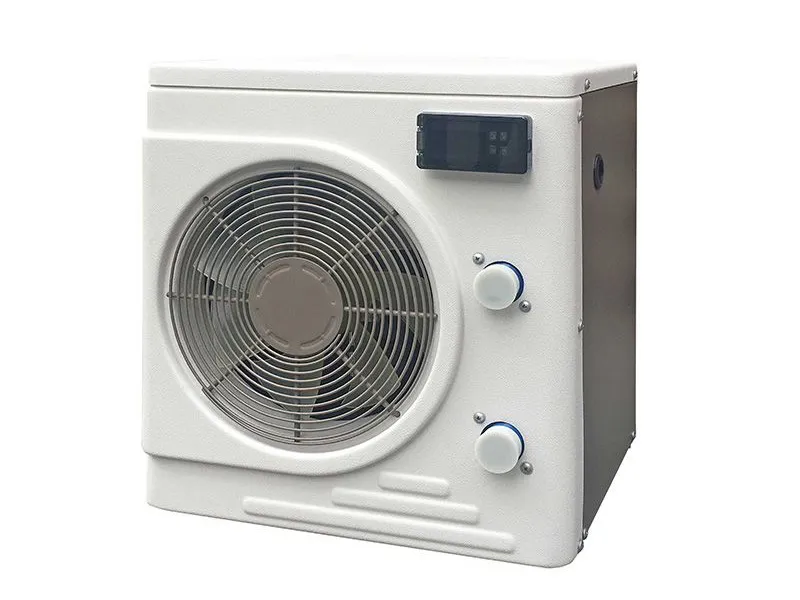
Definition of Mini Pool Heat Pump
A Mini Pool Heat Pump is a device designed to utilize ambient air to heat pool water through a process called thermodynamics. By extracting heat from the outside air—even in cooler temperatures—these pumps can efficiently raise the temperature of pool water. This technology operates via a refrigeration cycle that involves evaporating a refrigerant to absorb heat, compressing it to increase temperature, and then transferring that heat to the pool water.
In industry terms, heat pumps are rated by their Coefficient of Performance (COP), which indicates the amount of heat produced per unit of electricity consumed. A standard COP for a Mini Pool Heat Pump is typically around 5.0, meaning for every 1kW of energy consumed, approximately 5kW of heat is produced. This efficiency is a marked improvement over traditional heating methods.
Application Scenarios
Mini Pool Heat Pumps are primarily utilized in residential swimming pools but have applications in various scenarios, including:
Family Pools: Homeowners seeking an economical way to heat their pool for year-round use.
Therapeutic Pools: Facilities such as spas or rehabilitation centers where maintaining a stable temperature is critical for comfort and health benefits.
Hotel Pools: Resorts aiming to enhance guest satisfaction by providing heated pools throughout the swimming season.
Schools and Recreational Centers: Institutions looking for cost-effective heating solutions for swimming lessons and activities.
These versatile applications demonstrate the growing demand for efficient heating solutions in the pool industry.
Brief Description of Advantages
The advantages of installing a Mini Pool Heat Pump extend beyond simple heating capabilities:
Energy Efficiency: As mentioned, these devices can save homeowners up to 50% on energy costs. According to a study by the U.S. Department of Energy, heat pumps can achieve a substantial reduction in carbon footprint by relying on renewable ambient heat.
Cost-Effective Operation: The initial investment in a Mini Pool Heat Pump is typically offset by lower operational costs. Homeowners can recoup their investment within 2-3 years compared to traditional heaters.
Environmental Impact: With rising awareness of climate change, using heat pumps aligns with eco-friendly practices. The reduced reliance on fossil fuels decreases greenhouse gas emissions.
User-Friendly: Modern Mini Pool Heat Pumps feature user-friendly controls and compatibility with automation systems, offering users seamless management of heating schedules based on pool usage.
Next Steps Guidance
If you're considering upgrading your pool's heating solution, consider consulting your manufacturer's user guide for specific installation instructions and maintenance advice for your Mini Pool Heat Pump. For first-time users, exploring customer reviews and product comparisons can also provide valuable insights into various brands, including guangteng, which is known for its innovative and efficient heat pump technologies.


评论
发表评论